Camouflage Mom Life Sublimation: A Designer Review
When evaluating digital assets for mixed-media projects, it is crucial to distinguish between true vector art and high-resolution raster graphics. As a designer who frequently bridges the gap between digital printing and needlework, I approached the Camouflage Mom Life Sublimation file with a specific lens: how does this graphic translate when used as a reference or companion piece in an embroidery workflow? While this product is explicitly marketed for sublimation, its aesthetic holds significant value for crafters looking to create cohesive collections that blend printed and stitched elements.
First Impressions and Visual Personality
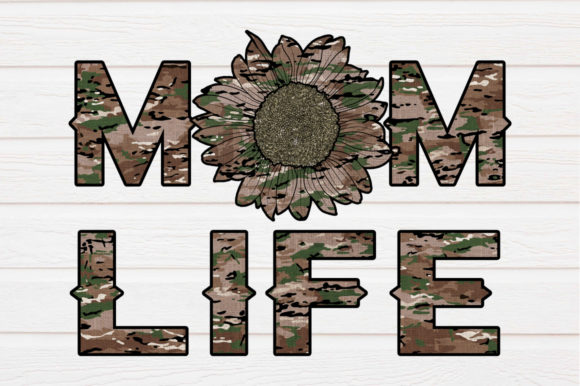
The immediate strength of this design lies in its texture and mood. The camouflage pattern provides a rugged, organic backdrop that softens the often-stiff appearance of traditional military-style prints by incorporating the "Mom Life" typography. From a design perspective, the layout feels balanced rather than chaotic. The 300 DPI resolution ensures that the edges are crisp, which is vital if you are using this PNG as a placement guide for a coordinating machine embroidery design. The visual personality strikes a chord with the modern maker demographic; it is patriotic yet domestic, tough yet nurturing. For an Etsy seller or boutique owner, this duality is essential for creating products that feel personalized rather than generic.
Real-World Application: The Mixed-Media Sweatshirt
To truly test the utility of this graphic, I evaluated it within the context of a real-life production scenario: creating a custom apparel line for a local moms' group fundraiser. The goal was to produce a sweatshirt that felt premium and handmade, not like a mass-produced print. Here, the Camouflage Mom Life Sublimation serves as the foundational layer. Because the file features a transparent background, it allows for seamless integration onto heathered or colored fabrics without the dreaded white box effect common in lower-quality graphics.
In this specific project, the sublimation print acts as the base canvas. I would then overlay a complementary embroidered patch or monogram using satin stitch borders to add tactile dimension. This combination elevates the perceived value of the finished product significantly. Customers respond well to this mixed-media approach because it offers the detailed color gradient of the camouflage print alongside the traditional quality of thread work. However, this workflow requires careful planning. Since the description notes that pieces cannot be separated due to shadowing, you cannot simply extract the camo background to use as an applique template. Instead, you must treat the entire PNG as a singular visual anchor, building your embroidery project around it rather than trying to dissect it.
Navigating Technical Limitations in Embroidery Workflows
It is imperative to address the technical constraints mentioned in the product details. The note stating this CANNOT be made into an SVG file is a critical warning for embroiderers accustomed to auto-digitizing or vector-based workflows. Because the design contains complex shadowing and raster effects, attempting to convert it for cutting machines or direct digitizing will likely result in jagged edges and lost detail.
For the embroidery designer, this means the Camouflage Mom Life Sublimation should remain in its native PNG format. If you intend to incorporate this motif into a stitched design, do not rely on auto-trace software. Instead, use the high-resolution image as a background layer in your digitizing software to manually trace running stitches or fill stitches that mimic the camo pattern. This manual interpretation ensures that the stitch density remains appropriate for fabric, preventing puckering or thread breaks that often occur when trying to force a photorealistic image into a stitch format. Always verify your hoop size before committing to a layout, as resizing a raster image too aggressively can degrade the clarity needed for accurate placement guides.
Fabric Selection and Stabilizer Strategy
The success of any project featuring this design depends heavily on substrate choice. While sublimation typically demands polyester, the "Mom Life" theme often calls for softer, more natural-feeling garments like cotton-poly blends or triblends. When combining this graphic with embroidery on these textured fabrics, stabilizer selection becomes paramount. The shadowing inherent in the design can sometimes mask minor registration issues in printing, but embroidery has no such forgiveness.
- Stretchy Fabrics: Use a cut-away stabilizer to prevent the fabric from distorting under the tension of both the heat press and the embroidery needle.
- Textured Surfaces: If applying this to a towel or fleece blanket, consider a water-soluble topping to keep the print sharp and the stitches from sinking into the pile.
- Dark Fabrics: Remember that standard sublimation does not print white. If your camouflage design relies on light tones against a dark shirt, you may need to use white glitter HTV or white ink transfer paper as an underbase, which adds thickness and affects how subsequent embroidery layers sit.
Commercial Viability and Brand Consistency
For small business owners and creative entrepreneurs, consistency is key to brand recognition. The Camouflage Mom Life Sublimation offers a versatile asset that can unify a diverse product range. I can envision this graphic working beautifully across a holiday gift collection, appearing on everything from insulated tumblers to embroidered caps. The transparency allows it to adapt to various mockups, making it easier to present professional previews to clients before production begins.
However, commercial use requires diligence. Before listing any finished product or digital derivative, confirm the licensing terms associated with this specific file. Just because a graphic is available for purchase does not automatically grant unlimited commercial rights for end-products. Additionally, when creating printable mockups for your shop, ensure the lighting matches the actual output. The 300 DPI resolution is excellent for digital proofs, helping to build customer trust by showing exactly what the final handmade product will look like.
Practical Designer Notes for Best Results
Based on my evaluation, here are actionable steps for integrating this asset into your studio workflow:
- Test Print First: Always run a test print on scrap fabric before committing to a final garment. Colors shift during sublimation, and you need to know the exact hue to match your thread colors accurately.
- Contrast Check: View the design in black and white before stitching. If the camouflage pattern lacks contrast in grayscale, your embroidery overlay may get visually lost. Adjust thread values to ensure readability.
- Resizing Caution: While the file can be resized, going below a certain threshold may introduce pixelation. Measure your intended application area precisely before altering the dimensions.
- Mockup Verification: Create both light and dark background mockups. The transparent background behaves differently depending on the underlying color, and you want to avoid surprises after pressing.
- Wash Testing: For items like baby clothes or kitchen towels that require frequent laundering, perform a wash test. Ensure the sublimation ink and any coordinating embroidery threads hold up equally well to prevent one element from fading faster than the other.
Ultimately, the Camouflage Mom Life Sublimation is a robust graphic asset for the informed crafter. It excels not as a standalone embroidery file, but as a high-quality component in a broader mixed-media strategy. By respecting its raster nature and leveraging its strong thematic appeal, makers can produce custom apparel and personalized gifts that stand out in a crowded marketplace. Whether you are crafting for a craft fair or fulfilling custom orders, treating this design with technical precision will yield professional, sellable results.