MOM Call Your Mom: A Designer’s Real-World Embroidery Review
First Impressions: A Warm, Versatile Design with Personality
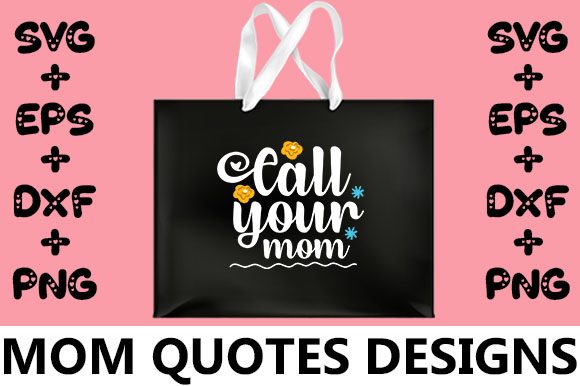
When I first opened the MOM Call Your Mom embroidery design, I was struck by its approachable charm. It's got that classic hand-lettered feel with just the right amount of whimsy—perfect for a heartfelt message without being overly sentimental. The font is clean and legible, with subtle decorative elements that add visual interest without overwhelming the text. It feels like a design that could work across a range of projects, from casual tote bags to personalized baby onesies.
What stood out immediately was the balance between detail and simplicity. The lines are crisp, the spacing is thoughtful, and there’s a nice rhythm to the lettering that makes it easy to read even at a glance. It’s not too busy for a small hoop, yet it has enough character to make a statement on larger items like sweatshirts or throw pillows.
Real-Life Use: From Totes to Baby Clothes and Beyond
I decided to test MOM Call Your Mom on a few real-world items to see how it would hold up in actual embroidery projects. First up: a cotton tote bag. I used a medium-weight stabilizer and a standard embroidery thread palette—soft gray on natural canvas. The result was clean and professional, with no distortion or puckering. The satin and fill stitches laid down smoothly, and the overall design read clearly from a few feet away.
Next, I tried it on a baby onesie. This is where the design really shined. The softness of the theme matched the gentle nature of baby items perfectly. I used a lightweight stabilizer and a light thread color to keep it delicate. It stitched out beautifully, and the transparent PNG mockup I used beforehand gave me a good preview of how it would look on light fabric. It’s definitely a great fit for Etsy sellers looking to add a personal touch to baby gifts.
I also tested it on a dark-colored sweatshirt using a white thread. The contrast was strong, and the lettering remained sharp. I’d recommend doing a black and white mockup first to check visibility, especially if you're using it on dark backgrounds. It’s a solid option for boutique-style apparel or personalized gifts where sentimentality meets style.
Where to Use with Care
Like any embroidery design, MOM Call Your Mom has its sweet spots—and a few places where you’ll want to be cautious. For example, on curved surfaces like caps or hats, the layout may require slight adjustments to ensure the text flows naturally with the shape. You’ll also want to be mindful of the stitch density if you’re working with stretchy or thin fabrics. I noticed that on a loosely woven tea towel, the fill stitches pulled the fabric slightly, so a lightweight stabilizer and a test run are a must.
Small hoop sizes can be a challenge too. The phrase itself is a bit long, so if you're working with a 4x4 hoop, you might need to scale down or simplify. I wouldn’t recommend it for very tiny items like keychains unless you're okay with a more minimalist version. Also, the corners of the design have some fine details that could get lost on textured or fuzzy fabrics, so it’s best to test on a similar material first.
Visual Appeal and Practical Impact
One of the things I appreciate most about MOM Call Your Mom is how it elevates the perceived value of a finished product. Whether it’s on a boutique tote or a custom embroidered patch, the design adds a touch of warmth and professionalism. It’s not just a font—it’s a statement. That’s important for Etsy sellers or small shop owners trying to stand out in a crowded handmade market.
From a customer perspective, this design has giftability written all over it. It’s the kind of thing people recognize instantly and respond to emotionally. If you’re creating personalized gifts for holidays or special occasions, this design can help drive engagement and repeat purchases. It also lends itself well to branding—imagine it on packaging tags or product labels for a small craft business.
Designer Notes: What to Check Before You Stitch
Before jumping into a full project with MOM Call Your Mom, here are a few practical tips I’ve picked up from using it in real embroidery work:
- Test on scrap fabric before stitching on your final product, especially if you're working with a new fabric type.
- Check thread color contrast—especially on dark or patterned materials. A white or light gray thread tends to work best for readability.
- Review stitch density if you're using it on stretchy or sheer fabrics. Adjust if needed to prevent distortion.
- Confirm hoop size compatibility. If you're limited to smaller hoops, make sure the design fits or consider scaling down.
- Inspect small details like the decorative elements and fine lettering. These can get lost on coarse or textured surfaces.
- Test in black and white mockups to see how it will look on different fabric tones.
- Use proper stabilizer based on your fabric type—lightweight for soft materials, medium-weight for cotton or canvas.
- Confirm licensing if you plan to sell finished items or digital products using this design.
It’s also worth checking the file formats included. Since the product mentions EPS, PNG, and DXF, it should be compatible with most embroidery software and digitizing tools. If you're an Etsy seller or digital product creator, having multiple file types gives you more flexibility for different customer needs.
Final Thoughts: A Thoughtful, Flexible Design for Real Projects
Overall, MOM Call Your Mom is a well-crafted embroidery design that offers both emotional resonance and practical versatility. It works beautifully on a wide range of products—from apparel to home goods—and it’s easy to see why it would be a go-to for small business owners, crafters, and creative entrepreneurs. Whether you’re stitching a custom gift or building a branded collection for your handmade shop, this design brings a personal, polished touch that customers will appreciate.
Just remember to test it thoroughly, especially if you’re working with tricky fabrics or small hoops. Once you’ve got the settings dialed in, it becomes a reliable asset in your embroidery toolkit—something you can confidently use for both personal and commercial embroidery projects.