Mom Design, Best Ever: An Embroidery Review
When evaluating a new machine embroidery design for professional or commercial use, the first question is never just about aesthetics. It is about translation. How does a digital graphic translate into physical thread on fabric? As a designer who regularly tests assets for custom apparel and handmade product lines, I approached "Mom Design, Best Ever" with a critical eye toward its versatility and stitchability. This review breaks down how this specific graphic performs when moved from screen to hoop, focusing on real-world application for Etsy sellers, boutique owners, and dedicated makers.
First Impressions and Visual Personality
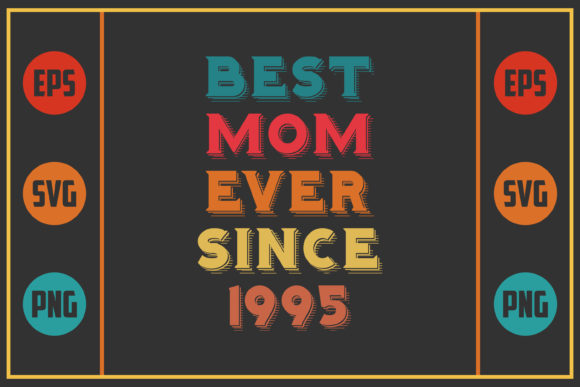
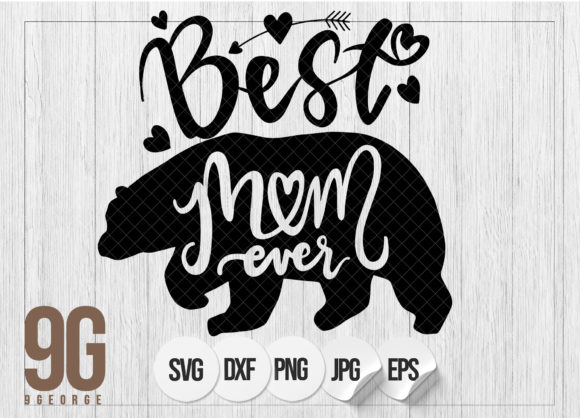
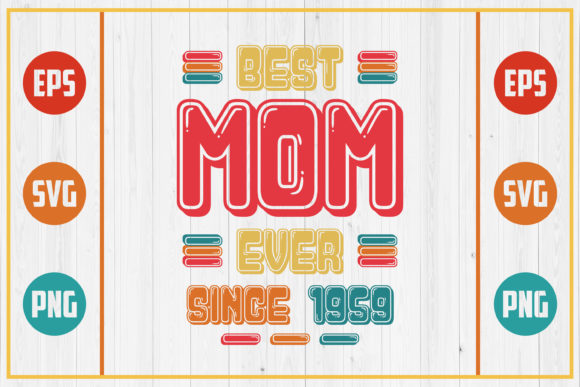
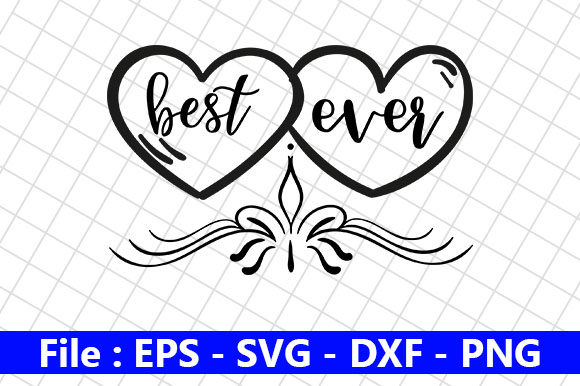
Upon opening the files, the immediate impression of Mom Design, Best Ever is one of clean sentimentality without excessive clutter. In the realm of Crafts and Graphics, motherhood-themed assets often suffer from over-complication or dated typography. This design avoids those pitfalls. The layout feels balanced, suggesting it was created with negative space in mind—a crucial factor for embroidery where dense stitching can distort fabric.
The visual mood strikes a chord between modern appreciation and classic warmth. It does not feel like a generic clip-art paste-up; rather, it possesses a cohesive personality that suggests it would serve as a strong centerpiece for a personalized gift. For a craft business owner, this matters because customers are buying an emotion, not just stitches. The design’s clarity indicates it should digitize well, provided the operator understands how to handle potential text elements and solid shapes.
Real-World Application: The Sweatshirt Test
To truly judge this asset, I mentally placed it in a current production scenario: creating a premium crewneck sweatshirt for a Mother’s Day capsule collection. Sweatshirt fleece is a forgiving but tricky substrate; it has loft and stretch that can swallow fine details or cause registration issues if the embroidery file isn't optimized.
In this context, Mom Design, Best Ever shines as a left-chest placement or a centered back piece. If utilizing the SVG or EPS vectors for digitizing, I would recommend converting solid areas into a light fill stitch or even an applique design element rather than a heavy satin column. Heavy satin stitches on fleece can create a "bulletproof vest" effect that pulls the garment and creates an uncomfortable wearing experience. By treating this graphic as a guide for lighter density stitching, the final finished product retains the drape of the sweatshirt while delivering the sentimental impact required for holiday embroidery.
For tote bag designs, which are a staple for small shop product lines, this graphic offers excellent scalability. Canvas and denim provide a stable base that supports higher stitch density. Here, you can push the detail level slightly more than on knit fabrics. The design’s structure suggests it would anchor beautifully on a natural canvas tote, perhaps paired with a contrasting thread colors scheme like navy thread on cream fabric to maximize readability and perceived value.
Navigating Fabric Limitations and Hoop Constraints
While versatile, Mom Design, Best Ever requires strategic planning regarding where it should not be used, or where it needs significant modification. Not every embroidery project is suitable for the same artwork.
- Stretchy Knits and Ribbing: If applying this to a baby onesie or ribbed tank top, caution is paramount. Without proper stabilization and potentially reduced density, the design could pucker. Always test on scrap fabric first.
- Curved Surfaces: On caps or curved sleeves, horizontal layouts often distort. You may need to arc the text elements within your digitizing software before stitching to maintain visual integrity.
- Sheer or Lightweight Fabrics: For items like tea towels or voile, standard fill stitches might be too aggressive. Consider using a running stitch outline or a redwork style interpretation of the design to prevent tearing.
- Dark Fabrics: Ensure the design includes adequate underlay or color contrast. White thread on black fabric requires different tension and coverage strategies than dark thread on light fabric to prevent the background from showing through.
Furthermore, verify your hoop size compatibility before purchasing or committing to a production run. While the provided formats (SVG, DXF, EPS, PNG) are vector and raster standards ideal for editing, they do not inherently contain machine-specific stitch data unless pre-digitized. If you are digitizing from these source files yourself, ensure your final digital embroidery file fits within your machine’s maximum stitch field to avoid resizing artifacts that degrade quality.
Commercial Viability and Brand Consistency
For commercial embroidery ventures, consistency builds trust. Mom Design, Best Ever offers a distinct advantage here: its clean lines allow for easy adaptation across different product categories while maintaining brand recognition. A customer who buys an embroidered patch with this design will recognize the aesthetic when they see it later on a pillow cover or apron in your shop.
This cohesion is vital for Etsy sellers building a niche. When listing products, use the PNG format to create high-quality printable mockups. Accurate mockups reduce return rates by setting correct expectations. However, always distinguish between the digital preview and the stitched reality. Customers appreciate transparency regarding texture and scale. Using this design across multiple SKUs also maximizes your ROI on design assets, allowing you to build a comprehensive "Best Mom" collection rather than relying on a single item.
Essential Technical Notes for Makers
Before loading Mom Design, Best Ever into your production queue, adhere to these professional best practices to ensure a premium outcome:
- Verify Licensing: Confirm whether your purchase includes commercial rights for selling finished goods or if it is limited to personal use. This distinction is critical for small business merchandise.
- Test Stitching: Never run a new design directly on a sellable garment. Use similar weight and weave scrap fabric with your intended stabilizer combination. Check for puckering, thread breaks, or alignment issues.
- Check Contrast: View the design in grayscale. If the details disappear without color, the design relies too heavily on hue rather than value. Adjust digitizing parameters to ensure clarity in monochromatic embroidery.
- Inspect Small Details: If the design contains tiny text or intricate flourishes, ensure they are large enough to stitch clearly. Text below 4mm height often becomes illegible; consider simplifying or enlarging these elements.
- Stabilizer Selection: Match the stabilizer to the fabric, not just the design. Cutaway for knits, tear-away for wovens, and water-soluble for napped fabrics like terry cloth. The right foundation makes Mom Design, Best Ever look professional rather than homemade.
Final Thoughts on Value and Presentation
Ultimately, Mom Design, Best Ever succeeds because it respects the medium. It provides a strong emotional hook without demanding impossible technical feats from the embroiderer. Whether you are creating a baby embroidery keepsake, a boutique-branded apron, or a seasonal bestseller, this graphic serves as a reliable foundation.
Remember that the value of any embroidered patch or garment lies in the execution. A beautiful design poorly stitched diminishes your brand; a simple design stitched perfectly elevates it. Take the time to understand how this artwork interacts with your specific equipment and materials. When treated with professional care, Mom Design, Best Ever transforms from a digital file into a tangible expression of appreciation that customers are proud to wear and display. Always prioritize the integrity of the stitch-out over speed, and your handmade products will reflect the quality your buyers expect.