Mom Tie Dye Sublimation Design Png File Review
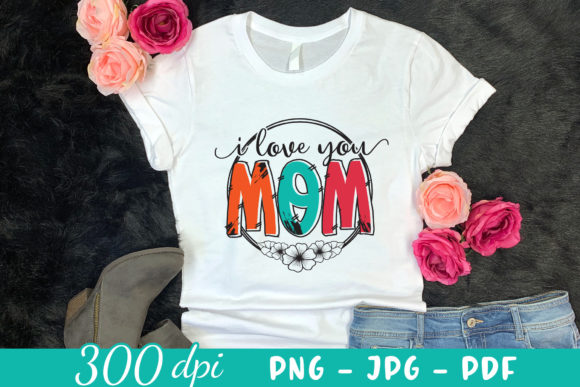
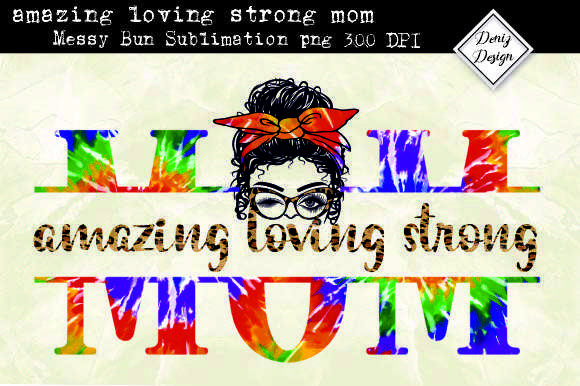
As a designer who bridges the gap between digital graphics and tangible textile art, I approach every new asset with a specific question: will this translate beautifully into thread? When evaluating the Mom Tie Dye Sublimation Design Png File, my perspective shifts from purely visual aesthetics to structural feasibility. This graphic, described as an "amazing loving strong mom" design with a transparent background at 300 dpi, presents a unique opportunity for mixed-media creators. While it is marketed primarily as a sublimation asset within the Graphics category, its vibrant aesthetic holds significant potential for embroidery designers willing to adapt it thoughtfully.
First Impressions: Visual Mood and Structural Integrity
Upon opening the file, the first thing that strikes me is the organic fluidity of the tie-dye effect. In the realm of Crafts, tie-dye represents nostalgia, comfort, and maternal warmth. The 300 dpi resolution ensures that the color gradients are crisp rather than pixelated, which is vital whether you are printing directly or using it as a reference for digitizing. However, as an embroidery professional, I immediately look past the color to see the underlying shapes. Tie-dye patterns are inherently amorphous; they lack the hard edges that traditional machine embroidery designs rely on for clean registration.
The mood this design creates is undeniably soft and approachable. It feels less like a rigid logo and more like a watercolor painting or a vintage textile print. For a maker, this suggests projects that prioritize emotion over precision. It naturally belongs on items meant to be held close or worn casually. As a digital product seller or Etsy seller, listing this requires managing customer expectations. Since the description explicitly states it cannot be created as SVG files due to parsing limitations, buyers must understand this is a raster image. For embroiderers, this means you cannot simply auto-digitize the colors; you must interpret the design manually or use it as a background element.
Real-World Application: The Custom Sweatshirt Test
To truly judge the viability of the Mom Tie Dye Sublimation Design Png File, I mentally placed it in a real-life production scenario. Imagine preparing a custom apparel order for a Mother’s Day boutique collection. A client wants a cozy, oversized sweatshirt that celebrates motherhood without looking like a generic greeting card. This design fits that niche perfectly, but execution matters.
In this scenario, I would not attempt to stitch out the entire tie-dye gradient. Instead, I would utilize the PNG as a sublimation base for the fabric itself, then overlay a minimalist text or line-art motif using satin stitch or running stitch. Alternatively, if working strictly with thread, I would treat this graphic as a color map for a fill stitch applique design. By using variegated thread colors that mimic the tie-dye palette, we can replicate the visual texture without the impossible density of stitching millions of pixels. This hybrid approach elevates the handmade product value, offering customers something that looks professionally printed yet retains the tactile charm of embroidery.
For small shop products like tote bags or baby embroidery items, this design serves as excellent inspiration for color blocking. If I were creating an embroidered patch for a denim jacket, I might simplify the tie-dye swirls into distinct sections, assigning a specific thread color to each zone. This maintains the spirit of the original graphic while respecting the mechanical limits of commercial embroidery machines.
Navigating Technical Limitations and Fabric Choices
Every experienced designer knows that beautiful graphics do not always equal successful stitches. There are specific environments where the Mom Tie Dye Sublimation Design Png File requires extreme caution. Because tie-dye visuals rely on blending, attempting to replicate this purely through thread on textured fabrics like terry cloth or fleece can result in a muddy, disjointed appearance. The fabric texture fights against the smooth gradient illusion.
Furthermore, consider the hoop size and stabilizer requirements. If you are adapting this design for a curved surface like a cap or a stretchy knit baby onesie, the lack of defined borders in the artwork becomes a challenge. Without clear stop points, registration marks can drift. On thin or stretchy fabrics, dense fill stitches intended to mimic the dye pattern could cause puckering or distortion. In these cases, the design works best as a visual guide for lighter, airier stitching rather than a direct blueprint.
Dark fabrics also present a hurdle. Tie-dye is traditionally associated with white bases allowing colors to pop. Stitching this onto navy or black garments requires either a heavy white underlay—which adds unwanted bulk—or accepting that the vibrancy will be significantly muted. Always test on scrap fabric first. Compare how the design reads on light versus dark backgrounds before committing to a full production run for your craft business.
Elevating Product Value and Customer Trust
How does using this specific asset affect your brand perception? For Etsy sellers and creative entrepreneurs, consistency is key. Using high-resolution, 300 dpi assets like this signals professionalism. Even if the end result is a stitched interpretation, starting with quality source material ensures your printable mockups and digital product previews look sharp. Customers trust shops that present clear, high-fidelity visuals.
When used correctly, this design enhances giftability. Personalized gifts for moms often struggle to balance sentimentality with modern style. The tie-dye aesthetic bridges that gap, feeling trendy yet timeless. Whether applied to a holiday embroidery project, a nursery pillow cover, or a kitchen tea towel, the design communicates effort and care. However, transparency builds trust. Be honest in your listings about what is digital and what is physical. If you sell finished products inspired by this PNG, clarify that it is a stylized interpretation. This honesty prevents returns and fosters long-term buyer engagement.
Essential Designer Notes for Safe Implementation
Before adding the Mom Tie Dye Sublimation Design Png File to your workflow or store, adhere to these practical checkpoints:
- Verify Licensing: Confirm whether your purchase allows for commercial embroidery or just personal use. Digital assets have varying terms for selling finished goods versus reselling the file itself.
- Test Stitch Density: Never assume a graphic translates directly to thread. Digitize a small swatch to check if the tie-dye effect causes excessive pull or thread breaks.
- Check Contrast: View the design in grayscale. If the values blend together in black and white, they will likely blend together when stitched in similar-toned threads.
- Stabilizer Selection: Match your stabilizer to the final application. Use cut-away for knits and tear-away for wovens, especially since tie-dye designs often cover larger surface areas.
- Mockup Accuracy: When creating design assets for sale, ensure your mockups reflect the actual output. Do not show a flat digital print if the customer is buying an embroidery file inspired by it.
- Resize Responsibly: While the 300 dpi PNG can be resized, remember that enlarging raster images reduces clarity. For embroidery, vector-based interpretations are always superior for scaling.
Ultimately, the Mom Tie Dye Sublimation Design Png File is a versatile starting point for makers who understand the distinction between screen and stitch. It offers a beautiful emotional hook for Mother’s Day and family-centric projects, provided it is handled with technical respect. By treating it as a source of inspiration rather than a rigid template, you can create stunning, market-ready pieces that resonate with customers and stand up to the rigors of real-world wear. Always prioritize testing and fabric compatibility to ensure your creative vision survives the transition from pixel to product.