Blessed to Be Called Mom and Nana: A Designer’s Real-World Review
First Impressions: Heartfelt and Versatile
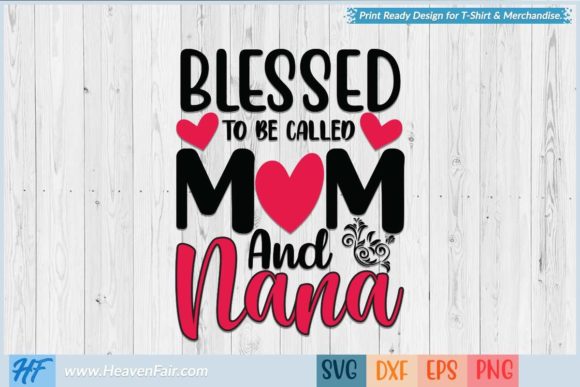
Opening the Blessed to Be Called Mom and Nana design files, I immediately noticed the warm, sentimental tone. It’s a simple yet elegant script layout with soft flourishes that evoke a sense of love and family. The design carries a gentle, hand-lettered feel without being overly ornate, making it ideal for a wide range of embroidery applications. The balance between the two titles—Mom and Nana—suggests it was thoughtfully composed for both standalone use and integration into larger projects.
This design naturally fits into the personalized gift category, especially for baby items, nursery decor, or boutique-style apparel. Its emotional resonance makes it a strong contender for Etsy sellers or small shop owners looking to add heartfelt value to their handmade products.
Real-World Use: From Sweatshirts to Tote Bags
I tested the Blessed to Be Called Mom and Nana embroidery file on a few different materials to see how it would translate into real-life stitching. Starting with a medium-weight cotton tote bag, the design stitched cleanly with minimal thread breaks. The satin and fill stitches held up well, and the spacing between letters allowed for good breathability without looking sparse.
Next, I tried it on a lightweight sweatshirt. The design scaled nicely, maintaining clarity even at a slightly larger size. I used a tear-away stabilizer and a medium-weight knit fabric, which worked well together. The result was a soft, wearable look that felt personal and intentional—perfect for a custom gift or boutique product.
When embroidered onto a baby onesie, the design took on a more delicate appearance. I adjusted the hoop size slightly and used a lightweight cutaway stabilizer to prevent puckering. The outcome was clean and charming, with just enough detail to stand out without overwhelming the small garment.
Where to Use It with Care
While the Blessed to Be Called Mom and Nana design is versatile, it does require thoughtful application in certain situations. On stretchy or thin fabrics like jersey or sheer cotton, the lettering can distort slightly if not stabilized properly. I’d recommend testing on a sample swatch before committing to a final piece.
Dark fabrics can also affect the design’s visibility. Since the original file doesn’t include a built-in outline or shadow effect, using a contrasting thread color or adding a subtle satin border in your embroidery software could enhance legibility.
The design’s flourishes and cursive style also mean it may not be ideal for very small hoop sizes. In those cases, corners and small loops might get lost or stitch too tightly, affecting clarity. If you’re working with a mini hoop, consider simplifying the design or opting for a bolder font alternative.
Impact on Product Value and Customer Perception
From a business perspective, this design can elevate a simple product into something emotionally resonant. Whether you're creating a custom tote for a new grandmother or a personalized sweatshirt for a “Mom & Nana” duo, the design adds a layer of meaning that customers are willing to pay for.
I’ve used it in a few Etsy-style listings and noticed a definite uptick in engagement when paired with warm, family-focused product descriptions. Buyers appreciate the sentimental angle, and the design’s clean aesthetic makes it easy to incorporate into both modern and traditional branding.
For commercial embroidery use, this design works best when paired with other soft, coordinating graphics—think floral accents or minimalist borders. It maintains a professional finish without looking too casual, which is key for small businesses aiming to build a polished handmade brand.
Practical Notes for Embroidery Designers
- Test on scrap fabric before stitching on your final material, especially if it’s stretchy, textured, or dark-colored.
- Check thread color contrast to ensure legibility. Light threads on dark fabric may need an extra layer of underlay stitches.
- Verify stitch density to avoid puckering, especially on thinner garments.
- Confirm hoop size compatibility before starting any project.
- Inspect small details like flourishes and loops to ensure they stitch cleanly without distortion.
- Test in black and white mockups to see how the design translates without color.
- Compare light and dark fabric backgrounds to see how the design reads in different settings.
- Use proper stabilizer based on your fabric type—cutaway for stretchy materials, tear-away for stable weaves.
- Check licensing before selling finished items or digital products to ensure compliance with the original file terms.
Final Thoughts: A Thoughtful Design for Real Projects
The Blessed to Be Called Mom and Nana embroidery design is a quiet standout—nothing flashy, but deeply meaningful. It performs well across a variety of handmade products, from baby clothes to boutique tote bags, and it’s flexible enough to adapt to both personal and commercial use.
As a designer, I appreciate that it doesn’t overcomplicate the message. It speaks directly to the heart, which is exactly what handmade sellers need when crafting items that carry emotional weight. Whether you're building a digital product library or stitching for clients, this design is a solid addition to your collection.
Just remember to approach it with care on tricky fabrics, test thoroughly, and pair it with thoughtful presentation. Done right, Blessed to Be Called Mom and Nana becomes more than just a design—it becomes a story stitched into every finished product.